



As wind turbines approach the end of their warranty period, an end of warranty inspection becomes essential to identify potential issues, ensure compliance, and avoid costly post-warranty repairs. For wind farm operators, this inspection is a critical step in protecting their investment and maximizing the lifespan of their assets.
In this guide, we’ll explore what an end of warranty inspection entails, why it’s important, and how VIVABLAST, a leader in industrial inspection and maintenance, helped a wind farm operator secure warranty claims and extend turbine performance.
What Is an End of Warranty Inspection?
Definition and Purpose
An end of warranty inspection is a thorough assessment of a wind turbine’s condition just before the manufacturer’s warranty expires. Its primary goals are:
- Identifying defects or wear that may qualify for warranty repairs.
- Ensuring the turbine complies with manufacturer specifications.
- Providing a baseline for post-warranty maintenance planning.
Key Objectives
- Detect hidden defects before the warranty expires.
- Validate compliance with manufacturer and regulatory standards.
- Prepare for long-term maintenance to avoid unexpected downtime.
Why Is an End of Warranty Inspection Important?
Protecting Your Investment

Wind turbines are a significant financial investment. An end of warranty inspection helps operators avoid costly repairs by identifying issues while they’re still covered under warranty.
Ensuring Compliance
Manufacturers often require inspections to validate warranty claims. Skipping this step can result in denied claims for pre-existing issues.
Maximizing Turbine Lifespan
Early detection of wear and tear allows operators to address problems before they escalate, extending the turbine’s operational life.
What Does an End of Warranty Inspection Include?
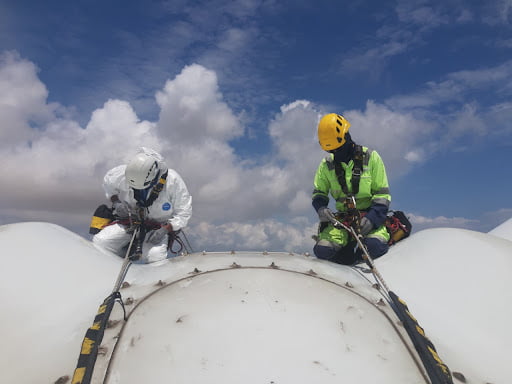
Visual Inspections
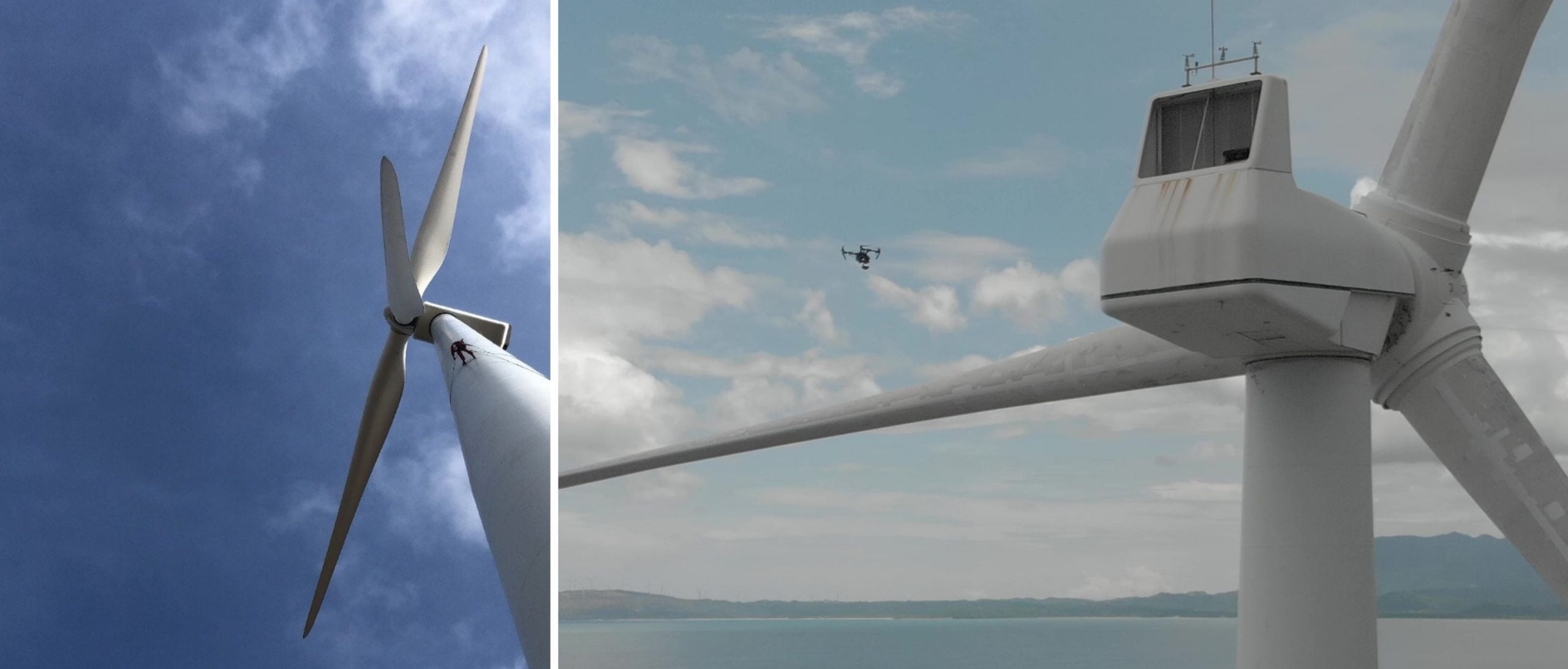
Inspectors examine the blades, nacelle, tower, and foundation for signs of damage, such as:
- Cracks or erosion on blades.
- Corrosion or misalignment in the tower.
- Wear in mechanical components like gearboxes and bearings.
Mechanical and Electrical Testing
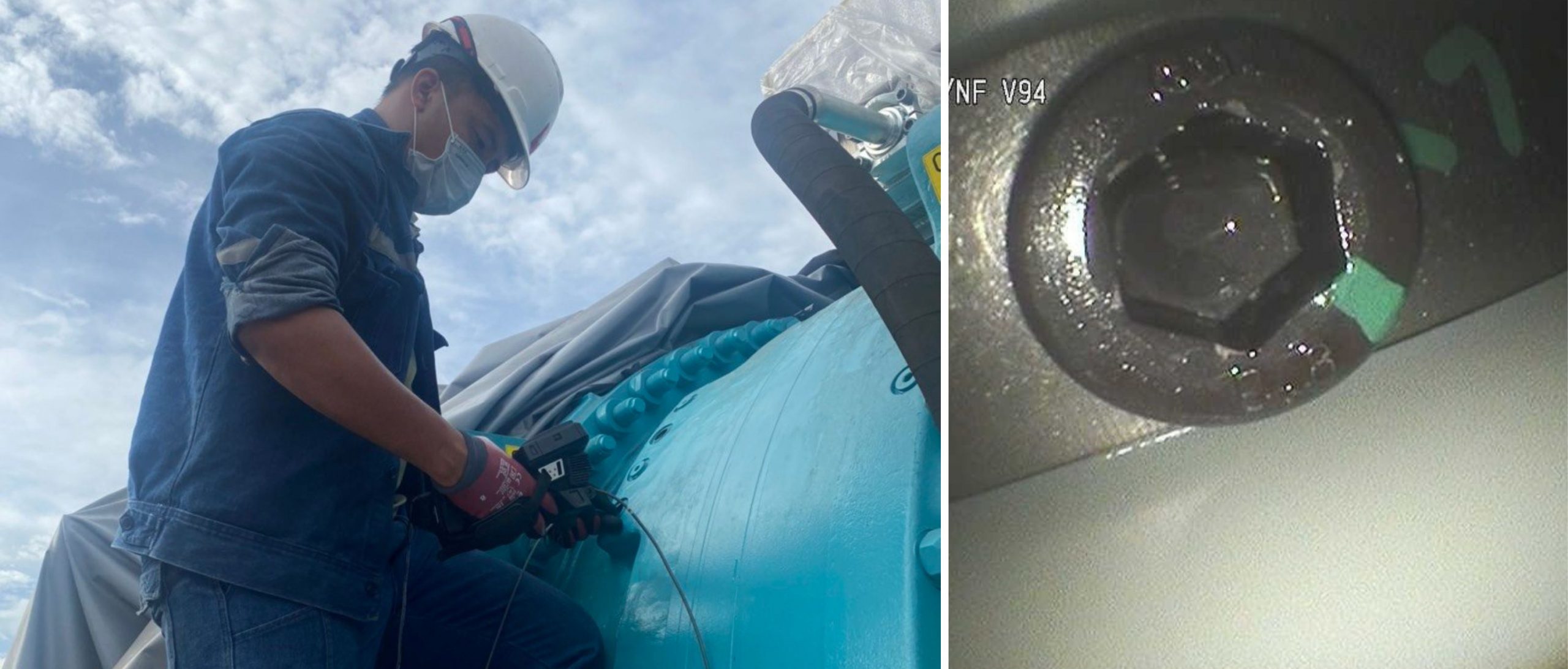
- Gearbox and bearing analysis for signs of lubrication issues or misalignment.
- Electrical system checks, including cables, sensors, and control systems.
- Performance testing to ensure the turbine operates at peak efficiency.
Documentation Review
Inspectors verify:
- Maintenance logs.
- Previous inspection reports.
- Warranty terms and conditions.
How to Prepare for an End of Warranty Inspection
Scheduling the Inspection
Coordinate with the manufacturer or a third-party inspector like VIVABLAST to ensure a comprehensive assessment.
Gathering Documentation
Collect all relevant records, including:
- Maintenance logs.
- Previous inspection reports.
- Warranty documentation.
On-Site Preparation
Ensure the turbine is accessible and that all necessary tools and safety equipment are available.
Common Issues Found During Inspections
Blade Damage
Gearbox and Bearing Wear
- Signs of lubrication failure or misalignment.
Electrical System Faults
- Faulty cables, sensors, or control systems.
Structural Integrity Issues
- Corrosion or fatigue in the tower and foundation.
Who Should Conduct the Inspection?
Manufacturer’s Technicians
Pros: Familiar with the turbine’s design. Cons: Potential bias in reporting.
Independent Inspectors (e.g., VIVABLAST)
Pros: Unbiased, detailed reports. Cons: May require additional coordination.
In-House Teams
Pros: Cost-effective for large wind farms. Cons: May lack specialized expertise.
Steps to Take After the Inspection
Reviewing the Inspection Report
Carefully analyze findings to understand the turbine’s condition.
Addressing Identified Issues
Prioritize repairs based on severity and warranty coverage.
Negotiating with the Manufacturer
Use the inspection report to claim warranty coverage for eligible defects.
Post-Warranty Maintenance Strategies
Developing a Maintenance Plan
Regular inspections and preventive maintenance can extend the turbine’s lifespan by 5–10 years.
Choosing a Maintenance Provider
- OEM services for manufacturer-specific expertise.
- Third-party providers like VIVABLAST for independent, cost-effective solutions.
Budgeting for Long-Term Maintenance
Plan for future inspections and repairs to avoid unexpected expenses.
Case Study: VIVABLAST’s End of Warranty Inspection for a Wind Farm Operator
Challenge
A wind farm operator in Vietnam approached VIVABLAST with concerns about potential defects in their turbines as the warranty period neared its end. They needed a detailed inspection to identify issues and secure warranty claims.
Solution
VIVABLAST conducted a comprehensive end of warranty inspection, including:
- Blade inspections using drones and thermal imaging.
- Gearbox and electrical system testing.
- Documentation review to verify compliance.
Results
- Identified blade erosion and gearbox misalignment covered under warranty.
- Developed a post-warranty maintenance plan to prevent future issues.
Lessons Learned
- Early detection saved the operator from costly post-warranty repairs.
- Third-party expertise provided an unbiased assessment, strengthening warranty claims.
Conclusion
An end of warranty inspection for wind turbines is a critical step in protecting your investment and ensuring long-term performance. By partnering with experts like VIVABLAST, operators can identify defects, secure warranty claims, and extend turbine lifespans.
Ready to schedule your inspection? Contact VIVABLAST today to ensure your wind turbines remain in optimal condition!